Indonesia
Country Snapshot
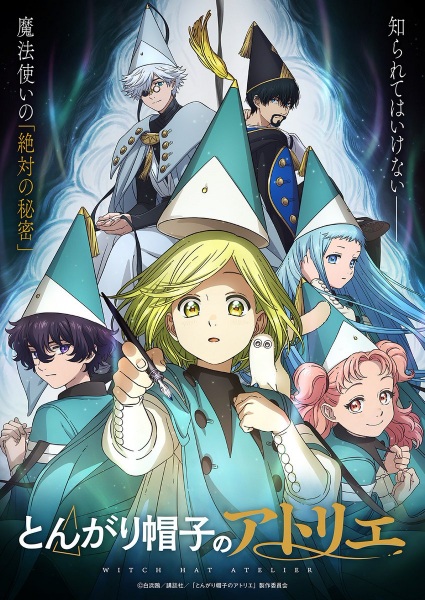
Indonesia currently has 3 anime in Netflix Top 10 (led by Witch Hat Atelier at #6), Google Trends data for 50 IPs.

Cultural Context
Indonesia has Southeast Asia's largest anime fanbase, fueled by affordable streaming access and a young, digitally connected population. One Piece and Naruto have near-universal recognition, while newer titles gain traction through YouTube and social media. Indonesia's otaku culture is deeply embedded in youth identity.
Southeast Asia's largest anime fanbase
Source Coverage
IP Rankings in Indonesia
Anime (16)
- 1Gintama
 Google TrendsYouTube369
 - 2Monster
 Google TrendsYouTube355
 - 3ERASED
 Google Trends271
 - 4Overlord
 Google Trends265
 - 5Attack on Titan
 Google Trends261
 - 6Solo Leveling
 Google Trends253
 - 7Bleach
 Google Trends206
 - 8Gurren Lagann
 Google Trends161
 - 9DIGIMON BEATBREAK
 Google Trends132
 - 10WIND BREAKER Season 2
 Google Trends100
 - 11ONE PIECE
 Netflix76
 - 12Another
 Google Trends66
 - 13The Last: Naruto the Movie
 YouTube64
 - 14MAMikasa AckermanGoogle Trends61
- 15A Silent Voice
 Google Trends52
 - 16Oshi No Ko
 YouTube45
Gaming (0)
No gaming data for this country yet
Characters (0)
No character data for this country yet
Netflix Top 10 (Week of 2026-04-12)

Regional Breakdown
Subnational data (prefectures, states, provinces) is coming soon for select countries.
About IP Trends in Indonesia
IP Ranking tracks entertainment IP demand in Indonesia using data from Netflix, Google Trends, YouTube. Currently tracking 19 IPs with measurable demand in this market.
Regional Analysis
Indonesia is part of the Southeast Asia region (9 countries tracked).
View full Southeast Asia regional analysis →